
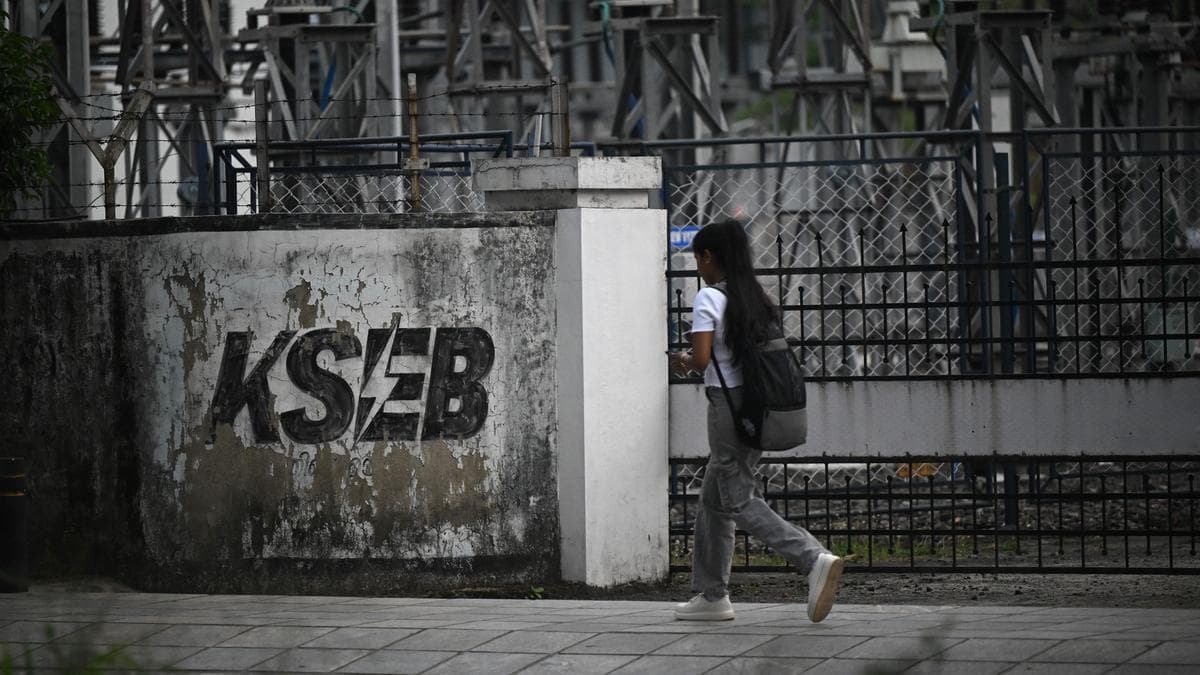
Regulatory Pressure on KSEB
The Kerala State Electricity Regulatory Commission (KSERC) has issued a directive to the Kerala State Electricity Board (KSEB) to accelerate the implementation of five large-scale Battery Energy Storage Systems (BESS) across the state. The intervention comes as the state grapples with ongoing power supply challenges and seeks to stabilize its energy grid through modern storage infrastructure.
Current Project Status
According to reporting by *The Hindu*, current projections indicate that the five planned BESS projects are not expected to be fully operational until the end of 2026. This timeline has prompted regulatory concern regarding the pace of development, as the state looks to integrate more renewable energy and manage peak demand fluctuations more effectively.
The Role of BESS in Grid Stability
Battery Energy Storage Systems are considered a critical component for modernizing Kerala's power infrastructure. By storing excess energy generated during off-peak hours and discharging it during periods of high demand, these systems help mitigate the risk of power shortages and reduce reliance on traditional, carbon-intensive peaking plants. The regulatory panel's push for faster deployment underscores the urgency of transitioning to a more resilient and flexible energy network.
Implications for the State
As Kerala continues to face power supply constraints, the timely completion of these storage projects is viewed as essential for long-term energy security. The KSEB is now under pressure to address potential bottlenecks—whether related to procurement, site development, or regulatory approvals—to ensure that the 2026 target is met or, ideally, improved upon to provide relief to the grid sooner.